
The Opel Corsa E (2014–2019) is the last Corsa from the GM era, while the Corsa F (from 2019) was built at Stellantis on the CMP platform, the same one as the Peugeot 208. Both are a good choice for the city. On the Corsa E, watch the ignition coils and the intake manifold on the 1.4 Turbo, and avoid the automated Easytronic gearbox. On the Corsa F, the most important things are the oil and the belt in the 1.2 engine, and the service campaigns, which we check by VIN as an authorised Opel dealer workshop.
- Corsa E (GM) and Corsa F (Stellantis CMP)
- 1.2 Turbo with a belt in oil – maintenance rules
- Corsa-e: servicing an electric car
- Service campaigns by VIN at the Opel dealer workshop
Corsa E or Corsa F – which generations are on the market?
| Generation | Years | Technology | Engines |
|---|---|---|---|
| Corsa E | 2014–2019 | GM (development of the Corsa D) | 1.0 Turbo, 1.2, 1.4 (also factory LPG until 2018), 1.4 Turbo, 1.3 CDTI, 1.6 Turbo OPC |
| Corsa F | from 11/2019 | Stellantis CMP (like the Peugeot 208 II) | 1.2 (75 hp), 1.2 Turbo 100/130 hp, 1.5 Diesel |
| Corsa-e / Corsa Electric | from 2019 | Stellantis CMP, electric drive | 136 hp electric motor, later more powerful variants |
The Corsa E looks like its predecessor from the outside, because it shares the floor platform with it. The Corsa F is a completely different car, with engines and electronics known from the Peugeot 208.
Corsa engines – what to watch for in the GM and Stellantis versions?
- 1.2 and 1.4 (Corsa E) – simple petrol engines. Auto Świat and Spider's Web point to ignition coil failures. Oil changed too infrequently harms the timing chain tensioner.
- 1.4 Turbo (Corsa E) – a known problem is the non-return valve in the intake manifold (the “red mushroom”). Its failure can damage the manifold and the valve cover. Later cars got a revised manifold.
- 1.0 Turbo (Corsa E) – rare. On foreign forums, loss of compression on the third cylinder has been described, so good oil and short intervals are important.
- 1.3 CDTI (Corsa E) – more expensive to run than the petrols: DPF in city driving, timing chain, turbocharger and EGR.
- 1.2 Turbo (Corsa F) – a PureTech petrol engine with a timing belt in oil. It needs oil to the specification and attention to intervals, exactly as in the Peugeot 208.
- 1.2 naturally aspirated (Corsa F) – without a turbo or vacuum pump. For EB2FA engines from 2019–2023, a campaign was announced to replace the tank vent valve or fuel line.
Most common problems reported by Corsa owners
| Problem | Symptom | What we do |
|---|---|---|
| Ignition coils (Corsa E 1.2/1.4) | Misfires, jerking, engine warning light | Computer diagnostics, replacement of coil and spark plugs |
| Easytronic gearbox (Corsa E) | Jerking when changing gear, gearbox errors | Diagnostics, adaptation, repair after quotation |
| Wiper motor wiring (Corsa E) | Wipers work intermittently or not at all | Repair of the chafed wiring |
| Shock absorbers, joints, brakes (Corsa E, pointed out by TÜV) | Knocking, play, weaker braking | Suspension and brake check on the lift |
| Starter and battery (Corsa E, pointed out by ADAC) | Hard starting | Battery and starting system test |
| Timing belt in oil (Corsa F 1.2 Turbo) | Oil pressure light, phasing errors | Belt measurement, oil to specification, campaign check |
The Corsa F has several campaigns in the ADAC database, including the mounting of side airbag ground connections (2019–2020), a warning about indicator failure in ECOLED headlights (2019–2021), battery software in the electric version (2022–2023), and engine campaigns shared with other Stellantis models. For the Corsa-e, ADAC does not yet have reliable data on breakdown rates and does not point to any particular weak points.
How to service a Corsa? Maintenance plan
- Opel's service plan for the Corsa E and the Corsa F is different. We read the scope from the VIN.
- Corsa E: Auto Świat considers oil change intervals of around 30,000 km too long. For city driving it is better to change the oil more often.
- Corsa F 1.2 Turbo: oil only to the Stellantis specification, belt check at services, replacement every 100,000 km or 6 years.
- Corsa-e: inspection of the brakes, suspension, air conditioning and battery cooling system, plus software updates.
Used Corsa – what to check before buying?
A Corsa is often a first car or a city car, so it has done a lot of short trips. On a Corsa E, check the gearbox (it is better to avoid the Easytronic), cold engine running, the radio's Bluetooth and the wipers. On a Corsa F, ask for invoices for oil and the timing belt, and on the electric version for battery condition and updates. Ex-fleet and ex-rental cars are worth inspecting more closely.
Corsa service in Gdańsk – why an authorised Opel dealer workshop?
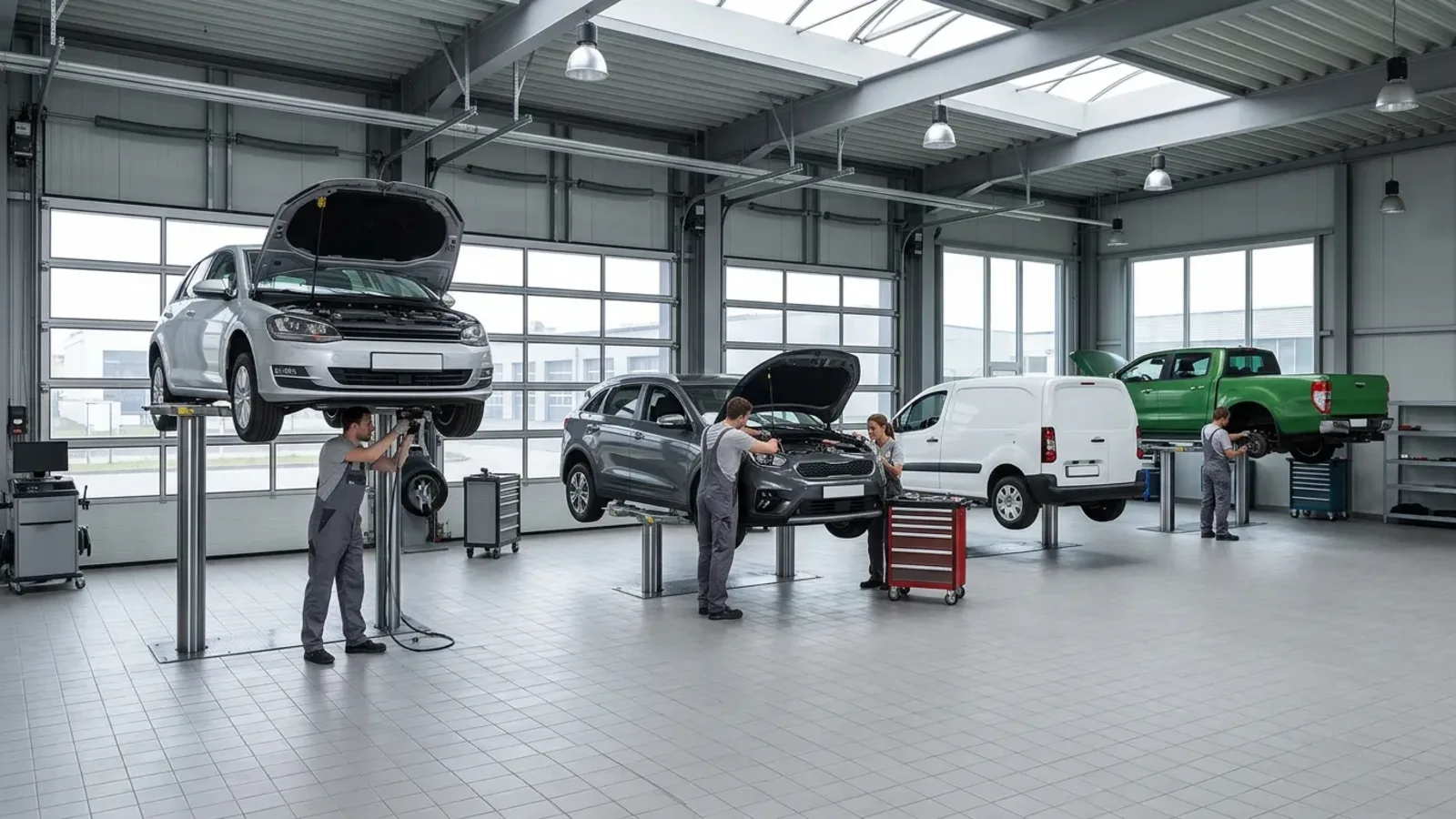
At Serwis Osowa, an authorised Opel and Peugeot service centre, we service both Corsa generations, including the electric one. We check service campaigns by VIN, and on the Corsa F we use the same procedures as for the Peugeot 208. We give a quotation after diagnosis. Address: ul. Odyseusza 20, Gdańsk Osowa.
Frequently asked questions
Is the Opel Corsa a good first car?
Yes, the Corsa is simple to maintain and cheap to run day to day. On the Corsa E, the most sensible choices are petrol engines without the Easytronic. On the Corsa F, you need to watch the oil and the belt in the 1.2 engine.
Is the Corsa F a Peugeot 208?
Technically they are very close: the same CMP platform, engines and many components. The body, interior and equipment are different. That is why faults and procedures are largely shared.
Which gearbox to choose in a Corsa E?
Conventional manual gearboxes give the least trouble. Auto Świat and Spider's Web advise against the Easytronic. The six-speed automatic is rated better, but there is less data on it.
Is the Corsa-e reliable?
ADAC does not yet have reliable data, but rates it as fundamentally reliable. Campaigns concerning battery software have been announced for some cars, and we check them by VIN.